
November 29 (online)
Greetings and Introductions (local organizing committee)
Roundtable: “Affections, relational dissidences, and critical trajectories in academia”
Pablo Navarro (Universidad de La Laguna – Spain) and Daniel Cardoso (Universidade Lusófona – Portugal) (
Presentations in Portuguese and Spanish, with translation into English)
Lunch break
PANEL 1 (language English): “Territorialities and theoretical-methodological approaches in research on non-monogamies”
(Carolina de Barros) The Role of Social Norms in Defining Diverse Romantic Relationships
(Nicole Braida) Polyamory as relational approach for new political imaginaries: Notes from a qualitative longitudinal study
(Shao Yuan Chong) Attitudes towards Relationship Diversity amongst Gay, Bisexual and Queer Men-who-have-sex-with-Men (GBQMSM) in Singapore
(Hau-Chi Hsu) Marrying the Socio-Scientific Progression by Leveraging on Intersectionality and Citizen-led Equity-driven Framework with the Sexual Configuration Theory (SPLICE-SCT): Reimagining the Involvement of the Community and Intersectionality when Investigating Gender, Sexuality and Relationship Diversity
(Giulia Gargiulo) Discrimination and Minority Stress amongst Non-Monogamous people in Italy: an action research study
(Sina Muscarina) Aspects of LGBTI*aging and LGBTI*aged care nursing in German speaking countries. A literature review
PANEL 2 (Languages Portuguese/Spanish): “Sexualidades e ética do cuidado nas não monogamias”
(Maiara Cemin Cagliari) Não monogamia enquanto tensionamento de novas demandas para assistentes sociais: análise das interlocuções na produção de conhecimento do serviço social
(Cristina Sánchez Martín) Autoestima sexual y Satisfacción sexual en Relaciones no monógamas
(Ruan Moreira Barros) A noção de monogamia na Psicologia: uma revisão integrativa
(Catarina Marujo) Entre Normas e Transgressões: BDSM, Heteronormatividade e a Construção de uma Perspectiva sobre a Fluidez Sexual em Portugal
(Roma De las Heras Gómez) Miradas cuir, bibollo y no monógamas sobre el estatus de las personas donantes en reproducción asistida (anónimo/abierto/conocido)
(José Luis Castellanos Guevara) ¿Quieres ser Amorólogue? “De la Terapia de Pareja al Acompañamiento y Alfabetización de las Intimidades Contemporáneas
(Stefany Hidalgo e Omar Días Salim) Existir libre y públicamente; activismo estratégico, metodología comunitaria para incidir en políticas públicas sobre diversidades relacionales en Chile
(Valentina López Gatica y Marcela Andrea Arraigada Gómez) Conclusiones colectivas de comunidades diversas relacionales Chilenas; comunes éticos y prejuicios
Keynote Speaker: “Resilience among children raised in polyamorous families”
Elisabeth Sheff (Sheff Consulting – EUA)
(Presentation in English with translation into Portuguese)
November 30 (online)
Roundtable: “Polygyny and pre-modern non-monogamies”
Zamambo Mkhize (University of Cape Town – África do Sul) and Maria Pallotta-Chiarolli (University Deakin – Australia)
(Presentation in English with translation into Portuguese)
Workshop “Redes Afectivas: del cuidado propio al cuidado colectivo”, with Deb Barreiro
Lunch break
PANEL 3 (Language English): “Challenging mononormativity”
(Karyn R. Wittmeyer, LMHC, CST.) Understanding the New Relationship Energy Period as an Attachment Disruption
(Chiara Bassan) Practicing Care-Full-Ness: Loving Beyond and Within the Couple(s)
(Madalyn Schomber) Redefining Nuclear Parenthood: Multiparent Dynamics and Reproductive Donation in Non-Monogamous Families
(Tess Zagorski) Sex as Work and Sex in Love: Encouraging the Fostering of Balance in Sex Worker’s Professional and Personal Intimate Lives
(Katrien de Graeve; Giulia Nazzaro) Between Agency, Vulnerability and Social Acceptance: Non-Monogamy and Womxn’s Later Life
(Leehee Rothschild) Couple-Defiant Intimacies – Navigating Citizenship, Space and Everyday Life in a World Made for Two
Book Launch
“Anarquía relacional. Una novela gráfica” (Belo C. Atance and Roma De las Heras Gómez)
“Radical relating: a queer and polyamory-informed guide to love beyond the myth of monogamy” (Mel Cassidy)
Workshop: “Somatic Compersion”, with Alex Iantaffi and Mel Cassidy
Roundtable: “Colonialities, sexualities, and non-monogamous affections”
Norma Mogrovejo (Universidad Autónoma de la Ciudad de México – México) and Sérgio Carrara (UERJ – Brasil)
(Presentations in Spanish and Portuguese with translation into English)
December 3 (in person)
Opening and Welcome (Salão Pedro Calmon)
Keynote Speaker: “The longue durée of monogamy – questions regarding Theory and the Philosophy of History” (Salão Pedro Calmon)
Christian Klesse (Manchester Metropolitan University – UK) (Presentation in English with translation into Portuguese)
Short Courses/Workshops
Workshop “O guarda-chuva não mono e suas vertentes”, with Josenany Macedo Bakun (sala Amizades, 203 do IE).
Short Course “Espinosa e os afetos: a arte dos encontros”, with Maxwell Schiavon (sala Consentimento, 246 da FACC).
Short Course “Teoría de las cucharas como herramienta terapéutica en el trabajo de relaciones poliamorosas y monógamas”, with Valentina del Pilar Marambio Mancilla (sala Compersão, 227 da FACC).
Lunch break
PANEL 1 (Languages Portuguese/Spanish): “Psicoterapias e práticas de cuidado” (sala Amizades, 203 do IE)
(Gustavo Affonso Gomes) Não Monogamia Consensual no Contexto de Psicoterapias: Resultados Preliminares de uma Revisão Sistemática
(Larissa dos Reis Stella) Relato de experiência: rodas de conversa psicoterapêuticas para pessoas que vivenciam a não monogamia
(Ane Bispo Marques) Relações em (Des)construção: Além do meu Desejo – uma proposta de Grupo Terapêutico Grupo terapêutico sobre prazer do outro, autonomia e afetos em relações não monogâmicas
(Maria Graciela Yáñez Saldias) Transformar el acompañamiento: Hacia una práctica terapéutica situada y feminista en relaciones sexoafectivas
(Ana Soares Teixeira Leite) Perspectivas sobre o atendimento psicológico a pessoas não monogâmicas
(Cecilia Ferrera Leiva) No Monogamia Ética en la Práctica Psicológica Aportes de las No- Monogamias éticas en el acompañamiento al sufrimiento relacional/vincular
(Guilherme Carpintero de Carvalho) Além da cerca: família, monogamia e propriedade na política habitacional
Book Launch (Salão Pedro Calmon)
(Antonio Pilão) Não monogamias no Brasil: relacionamentos, moralidades e direitos em disputa
(Maria Silvério) Desvendando as não monogamias
Coffee break
Roundtable: “Love and Racial Dynamics: affections, desires, and hierarchies in Brazil” (Salão Pedro Calmon)
Rhuann Fernandes (Fundação Getúlio Vargas – Brazil) and Renato Nogueira (Universidade Federal Rural do Rio de Janeiro – Brazil)
(Presentations in Portuguese with translation into English)
*Accreditation will take place from 09:00 to 14:00 on all three days of the event in Salão Pedro Calmon.
December 4 (in person)
Keynote Speaker: “Reforesting the Imagination” (Salão Pedro Calmon)
Geni Núñez (Indigenous Activist – Brazil)
(Presentation in Portuguese with translation into English)
Short Courses/Workshops
Short Course “Relationship Anarchy as a Resignification of Intimacy in the Context of Non-Monogamies”, with Juan Carlos Pérez Cortés (sala Amizades, 203 do IE).
Workshop “Holding Each Other: A Traveling Hammock Installation”, with Lindsay Hayes (sala Compersão, 227 do FACC).
Workshop “Taller el Buffet de acuerdos: Revisando y diseñando acuerdos que cuidan y nos cuidan”, with Tamara Santander and Patricia Casanova (sala Consentimento, 246 da FACC).
Lunch break
PANEL 2 (Languages Portuguese/Spanish): Activismos y redes no monogámicas (sala Amizades, 203 do IE)
(Robson Veio) Anarquia relacional: A revolução a partir dos vínculos
(Gabriela Quartiero) Monogamia e Colonialidade
(Lucas Pires-Rodrigues) Pele Que É Pele: O Afeto Negro Pelas Fissuras Do Interdito
(Constanza Llorca Ramos) Afectos disidentes: Experiencias y desafíos de activistas feministas decoloniales de Abya Yala migradas en Barcelona frente a las no-monogamias éticas
(Iluska Viviani de Oliveira da Cruz) Agenda Não Mono: Ativismo por uma Comunidade Mais Forte e Unida.
(Agustín Blau) El fluir monógamo: tensiones, cooptaciones y posibilidades éticas en las no monogamias contemporâneas
(Cari Álvarez) Placer, satisfacción y compresión en No monogamias en Chile: Estudio Descriptivo desde enfoque sexológico positivo y no monógamo afirmativo
PANEL 3 (Language English): “Consensual Non-Monogamies and queer families” (Salão Pedro Calmon)
(Dag Myrdal presenting a documentary by Even G. Benestad, August B. Hanssen, Indie Film) Fatherhood (movie, 77 min)
(Rhea Darens) The Hingepartner, Emotionally Focused Therapy and Consensual Non-Monogamy
(Antonia Velicu/Heiko Rauhut) Normative change in romantic relationships: Mapping consensual non-monogamy in Switzerland, Austria and Germany – A Research Plan Grant Proposal
Roundtable: “Non-Monogamies and Multiparenthood in the United Kingdom and Brazil: family practices at the margins of the law” (Salão Pedro Calmon)
Antonio Pilão (Manchester Metropolitan University – Brazil/UK) and Christian Klesse (Manchester Metropolitan University – UK)
(Presentation in English with translation into Portuguese)
Coffee break
Performances
“Amor libre solamente puedo darte: concierto poético-musical de pajarita cantora”, with Alondra Castillo Delgado (Salão Pedro Calmon).
“Challenging Her: A Letter-Performance for Daughters of Counter-Colonial Mothers”, with Nirlyn Seijas (sala Compersão, 227 do FACC).
“Metamorfoses: para além das fôrmas; depois da forma”, with Cami Ribeiro (arena theater).
“‘Você quer demorar comigo?’ – performance para Não-Mono emocionadas”, with Alice Souto (arena theater).
December 5 (in person)
Workshops
“O sonhar na não monogamia: evocando novos imaginários”, with Gisele Ramos Cardoso Pinto (sala Amizades, 203 do IE).
“Ciúmes na berlinda: Práticas coletivas para repensar um mundo fora da lógica da posse”, with Mar Bastos and Cássia Farias (sala Consentimento, 246 da FACC).
“Psicoterapia de “parejas” en diversidades relacionales: desafíos clínicos y prácticas situadas para profesionales de la salud mental”, with Francisca Venegas (sala Compersão, 227 da FACC).
“Line of Love : The Poetics of Being”, with David Ish (Salão Pedro Calmon).
VIDEO “Intimate Performativity”, con Christine Gaigg (Salão Pedro Calmon, das 11 às 11:30h).
PANEL 4 (Apresentações em Português/Espanhol):
Monogamia, não monogamia e práticas clínicas (sala Amizades, 203 do IE).
(Laura Peçanha) A investigação da projeção de segurança nos relacionamentos – a relação não monogâmica como ferramenta para busca de individuação
(Karina Sassi) A monogamia é o destino? A racionalidade monogâmica e seu impacto na escuta clínica [OPRESSÕES DE GÊNERO]
(Stéphanie Queiroz Jobst) Mononormatividade, Violência de Gênero e Sofrimento Psíquico: Uma abordagem psicanalítica [OPRESSÃO DE GÊNERO]
(Karym Nathalia Melo Alarcon) Transitar desde la Monogamia hacia paradigmas No Monogámicos con conciencia vincular y protección infantil
Lunch break
PANEL 5 (Languages Portuguese/Spanish): “Subjetividades e coletividades não monogâmicas” (sala Amizades, 203 do IE)
(Tomás Andrés Anatibia Reynaud) No monogamias consensuadas: una mirada desde estudiantes universitarios monógamos y no monógamos de la Región Metropolitana de Santiago de Chile
(Lary Morelli Ramos) A Não Monogamia entre Estudantes da USP: resistência, identidade e comunidade
(Andressa Pontes) (DES)Caminhos da pesquisa: Sobre amizades nas experiências não monogâmicas
(Rapha Silvac) A intimidade provoca rachaduras no tempo: experiências do Grupo de estudos-vivência-criação sobre não monogamias para corpos dissidentes
(Giovanna Rodrigues Martins) A traição feminina como um acontecimento no feminejo: problemáticas entre a monogamia e os feminismos na contemporaneidade
(Patrícia Soares de Resende) Onde mora o cuidado: experiências de alianças entre mulheres e rupturas de filiação
(Marcelo Antonio de Brito) Metodologias para o tema complexo da não monogamia
Closing Roundtable: “Non-Monogamous Rights and Becomings” (Salão Pedro Calmon)
Igor Alves (Universidade Federal do Rio de Janeiro) and Camila Ribeiro (Universidade de Brasília – Brazil)
(Presentation in Portuguese with translation into English)
Coffee break
Closing party (Cozinha da Lapa, Rua do Rezende, 76, Lapa-RJ)
Speakers

Geni Núñez
Guarani Indigenous activist, writer, and psychologist. Holds a PhD from the Interdisciplinary Graduate Program in Human Sciences at UFSC and a Master’s degree in Social Psychology. Completed a Postdoctoral Fellowship at the Institute of Advanced Studies at USP. She is a member of the Human Rights Commission (CDH) of the Federal Council of Psychology (CFP) and of the Brazilian Network of Indigenous Psychologists (ABIPSI). She is also a co-assistant of the Guarani Yvyrupa Commission (CGY). Author of the books Descolonizando afetos: experimentações sobre outras formas de amar (2023) and Felizes por enquanto (2024), published by Planeta.
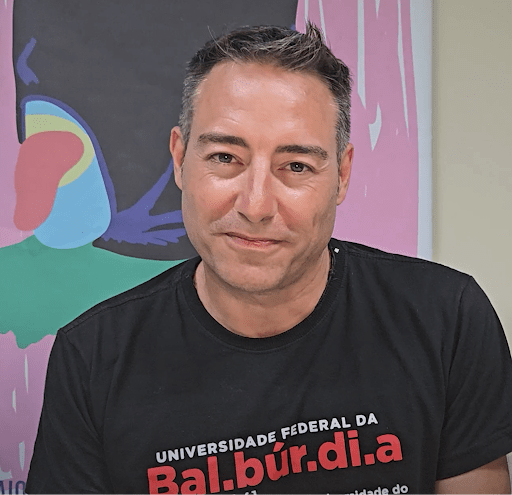
Pablo Pérez Navarro
Professor of Philosophy at the University of La Laguna and researcher at the Centre for Social Studies of the University of Coimbra. His work focuses on the normative frameworks of contemporary sexuality from a feminist and queer perspective. He has been a visiting professor in Gender Studies at UFMG and a visiting researcher at UFBA. Author of Orden y peligro. Por una deslocalización queer (Bellaterra, 2023).

Daniel Cardoso
Daniel Cardoso (they/them), PhD, holds a Doctorate in Communication Sciences from the Nova University of Lisbon and is an Associate Professor at Lusófona University in Lisbon, Portugal, as well as an Auxiliary Invited Professor at the Faculty of Social and Human Sciences of the Nova University of Lisbon. Their main research areas are consensual non-monogamies, BDSM, gender and sexualities, youth and new media, and cybercultures. Their work can be viewed at http://www.danielscardoso.net.
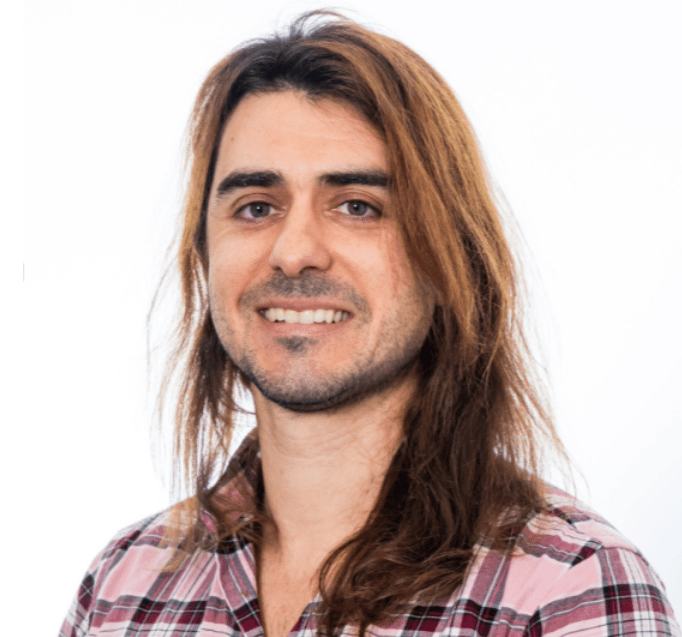
Antonio Cerdeira Pilão
Inglês:
Antonio is a Marie Curie Fellow in the Department of Sociology at Manchester Metropolitan University, where he is a member of the CISG (Contemporary Intimacies, Sexualities, and Genders) Research Group. He is currently participating in the research project “Families and Kinship at the Margins of the State: Consensual Non-Monogamies and Multi-Parenting in the UK and Brazil” (FAKIM-CNM), funded by the UKRI Horizon Europe Guarantee Program. He coordinates the Politics, Affections, and Non-Monogamous Sexualities Research Group (CNPq Directory) and is a member of the International Commission on Global Feminisms and Queer Politics of the International Union of Anthropological and Ethnological Sciences (IUAES).
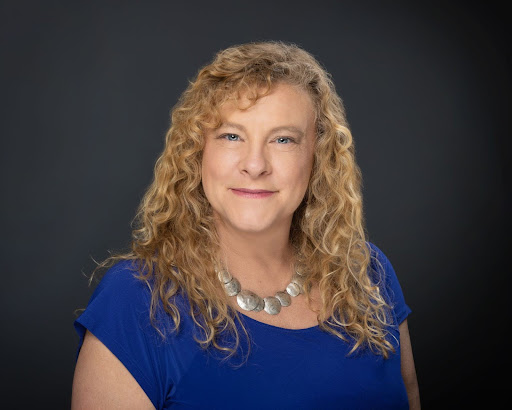
Elisabeth “Eli” Sheff
With over 25 years of research on consensual non-monogamies, Dr. Eli Sheff is the leading academic expert on polyamorous families with children. She holds a PhD in Sociology, is a certified Sexuality Educator, and has authored four books and over 30 academic articles on consensual non-monogamy (CNM) and BDSM/kink.

Igor Alves Pinto
Currently a PIPD-UFRJ post-doc fellow at PPGD. He holds a PhD in Law (2023) from the Law Graduate Program (PPGD) at UFRJ, with a focus on “Theories of decision and interpretation and justice.” He earned his Master’s degree (2015) in the “Human Rights, Society, and Art” track of the PPGD – UFRJ. He graduated (2012) in Law from UFRJ. He has academic experience in the areas of Civil Law, Human Rights, Legal Anthropology, and Criminology. He conducts research in Civil Law, with an emphasis on studies based on empirical research and analysis of court decisions. He was a substitute professor of Civil Law at the National Law School – UFRJ (2019-2021). He is a Consulting Member of the Special Commission on Civil Law of the National OAB (2020 onward) and a member of IBDFAM (2020 onward). He was part of the Editorial Team of the Revista de Teoria Jurídica Contemporânea (2021-2022) and is a reviewer for the Revista da Faculdade de Direito da Universidade Federal de Uberlândia and the Revista da Academia Brasileira de Direito Civil. He is the author of the book O Grupo Tortura Nunca Mais do Rio de Janeiro e sua luta por justiça: O que lutar quer dizer? (2022).

Christian Klesse
Christian Klesse is a Senior Lecturer in the Department of Sociology at Manchester Metropolitan University and co-leader of the Contemporary Intimacies, Genders and Sexualities (CISG) research group. He is also the coordinator of the Sexualities research network (RN23) of the European Sociological Association. His research interests span the fields of gender and sexuality politics, consensual non-monogamy (CNM) and polyamory, transnational LGBTQIA+ activism, queer diaspora studies, and queer film festivals. His work is interdisciplinary and often collaborative. He is the author of the book The Spectre of Promiscuity: Gay Male and Bisexual Non-Monogamies and Polyamories (Ashgate, 2007). He recently co-authored the articles: “Food practices, queer social reproduction and the geographies of LGBTQ+ activism” (Political Geography, 2025, with Jon Binnie) and “Beyond equality—non-monogamy and the necropolitics of marriage” (Social Sciences, 2025, with Daniel Cardoso). He is currently working on two CNM-related monographs, one on queer kinship and political economy, and another on CNM activism in Europe (the latter in collaboration with Daniel Cardoso).
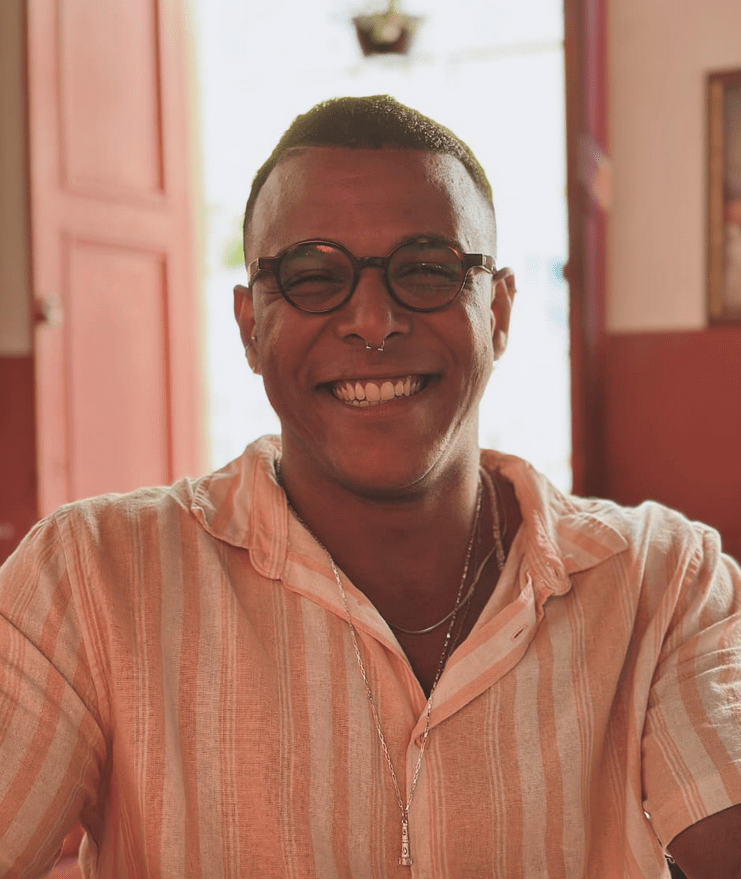
Rhuann Fernandes
Rhuann Fernandes is a PhD student and holds a Master’s degree (2022) in Social Sciences. He is a researcher at the Youth Productive Inclusion Laboratory of the Getulio Vargas Foundation (LINC-FGV). Currently, he dedicates himself to the following topics: culture, subjectivity, and emotions; contemporary romantic relationships and marital arrangements; racial relations and identity; gender and sexuality; neoliberalism and the labor market. In dialogue with these subjects, he has published more than 30 scientific articles and 3 books: Casamento bantu: lobolo e outras experiências conjugais em Moçambique; Negritude e não monogamia: as micropolíticas do amor; and Não monogamia: trânsitos entre raça, gênero e sexualidade.

Renato Noguera
Renato Noguera has a griot (griô) family background, holds a PhD in Philosophy, is a professor at the Federal Rural University of Rio de Janeiro (UFRRJ), and serves as a celebrant of loving unions. He coordinates the research project “Ethics of Loving: Couples, Affective Politics, and Intersectionalities between Gender, Race, and Class.” Noguera has published, among other books: “A, B, C of Love: What Poetry and Philosophy Have to Say About Affection” (2025) and “Why We Love: What Myths and Philosophy Have to Say About Love” (2020).
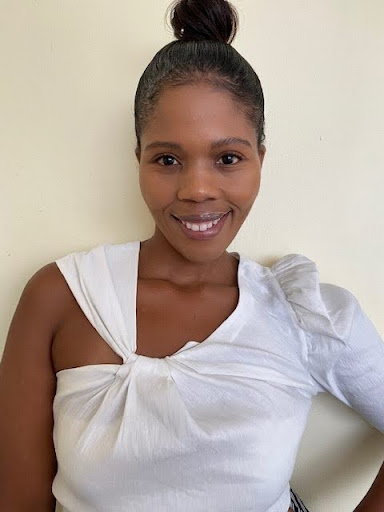
Zamambo Mkhize
Dr Zamambo Mkhize is a lecturer in African Feminist Studies at the African Gender Institute at the University of Cape Town. She did her undergraduate degree at Florida A&M University on a full tennis scholarship before undertaking her Honours in Criminology and Master’s in Gender Studies from the University of KwaZulu-Natal. Zamambo did part of her PhD in Pennsylvania as a Fulbright scholar, and she did her postdoctoral fellowship at the Centre for Critical Research on Race and Identity at UKZN. Zamambo’s research focuses on modern polygyny, law, family, Zulu culture, African feminism. She just published her first book titled, Polygyny and Gender released in September 2021, by the University of KwaZulu-Natal Press. Zamambo research focus is also on African women in high-stakes degrees such as science, technology, engineering and mathematics (STEM) and has written numerous articles around this topic, which have been published in high impact international and local academic journals. Zamambo founded the African STEMinist foundation, which is dedicated to supporting, mentoring and advancing African women in the STEM fields. Zamambo is an activist, academic and avid tennis player. Zamambo is an activist, academic and avid tennis player who as a junior tennis player represented her province KwaZulu-Natal in many interprovincial tournaments that they always won and has represented South Africa in many international junior tennis tournaments. Zamambo now plays tennis for her local club and she remains unbeaten in her league matches.

Maria Pallotta-Chiarolli
For over 30 years, Dr Maria Pallotta-Chiarolli AM has been an academic, author, activist and ally in the intersections of cultural diversity, gender and sexual diversity, relationship and family diversity. She is considered to be the first Australian to research and publish about polyamory, consensual non-monogamy and bisexuality, beginning in 1992. An Honorary Fellow at Deakin University and with her consultancy, GSE Tapestry Consulting, Maria espouses decolonising research and writing, training and advocacy that are empowering and capacity-building for the communities and organisations she works for and with, and creating respectful and dynamic collaborative approaches. Maria’s current research is with First Peoples of Australia with Southern European heritage, exploring the contestations and connections between colonialism, racism and multiculturalism. Apart from journal articles, her publications include research and narrative on Non- Monogamies and Contemporary Intimacies: Love You Two (2008 Lambda Literary Award); Border Sexualities, Border Families in Schools (2011 Lambda Literary Award); Bisexuality in Education: Erasure, Exclusion by Inclusion and the Absence of Intersectionality (2016 USA Bisexual Book Award); and Women in Relationships With Bisexual Men: Bi Men By Women (2017 shortlisted for Lambda Literary Award).
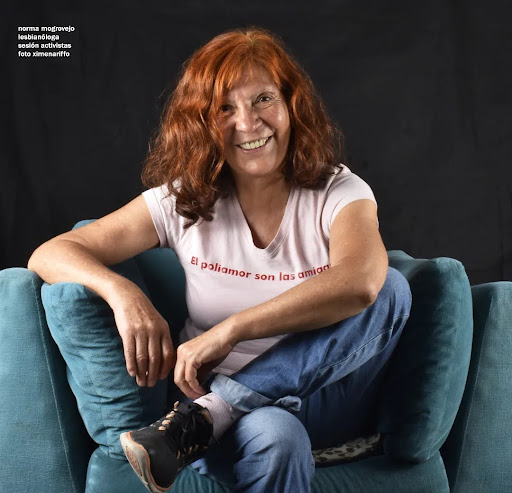
Norma Mogrovejo
I was born in a Quechua town at about 4,000 meters above sea level, where I learned the culture of whiteness in a school run by German nuns. At 14, my family migrated to Arequipa, a conservative city where I became a feminist and also a lesbian. At 28, I sexiled myself to Mexico because women could not find safe ways to live outside heterosexuality. In Mexico, I found a reference community where I live my lesbian body with enthusiasm. I am a Research Professor at the Universidad Autónoma de la Ciudad de México, where I work with my dialogic peers to reflect on the civilizational models that have imposed bodies, thought, obedience, and the ways of building strategic communities outside the mandates of state/nation/heterosexuality/class/race. I have published several books about the lesbian movement in Abya Yala: Un amor que se atrevió a decir su nombre. La lucha de las lesbianas y su relación con el movimiento homosexual y feminista en América Latina; and Insilio. La cárcel del silencio. Invisibilidad lesbiana y resistencia, among others.

Camila Ribeiro
PhD in progress in the Graduate Program in Education at the University of Brasília (UnB). Master’s degree in Communication and Society from the Graduate Program in Communication and Society at the Federal University of Tocantins (UFT). Lato sensu postgraduate degree in Ethics and the Teaching of Philosophy from UFT. Specialization in Jungian Analytical Psychology from the University of Campinas (UNICAMP). Bachelor’s degree in Psychology from Universidade Paulista (Campinas–SP). Professional experience in clinical and social psychology practice, working with an approach grounded in Analytical Psychology and the Theory of Subjectivity (2017–present). Adjunct lecturer in the Psychology program at UFT, Miracema do Tocantins campus (2023–2024). Research member of the research groups “Politics, Affects, and Non-Monogamous Sexualities” (CNPq) and “Theory of Subjectivity, Education, and Health” (UnB/CNPq). Associate member of the Interamerican Society of Psychology. Research interests and work focus mainly on the following themes: communication; emotions; genders and sexualities; monogamy, polyamory and non-monogamies; performance art; symbolic systems; subjectivities; queerness; ecology; and de/anti-counter-coloniality.
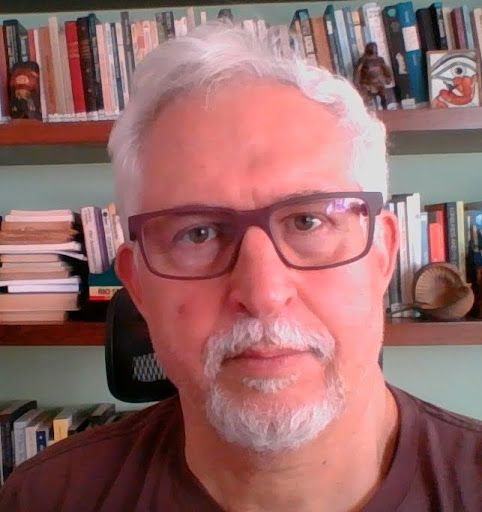
Sérgio Luis Carrara
Sérgio Carrara holds a Bachelor’s degree in Social Sciences from the University of Campinas (1982), and a Master’s (1987) and PhD (1995) in Social Anthropology from the National Museum / Federal University of Rio de Janeiro. He is a Retired Full Professor at the Rio de Janeiro State University, where he has conducted research in the field of the Anthropology of the Body and Health, working mainly on the following topics: sexuality, gender, homosexuality, human rights, and violence. He is the editor of the journal Sexualidade, Saúde e Sociedade. He is currently a researcher at the Latin American Center on Sexuality and Human Rights (CLAM/IMS/UERJ).
Important Dates
| June 16, 2025 | Call for papers begins. |
August 15, 2025 | Last call for paper submissions. |
Until August 22, 2025 | Publication of responses to submitted papers. |
| June 15 to August 30, 2025 | Early registration. |
| August 31 to September 30, 2025 | Extended registration. |
| Publication of the rules for submitting papers. | |
| November 29 and 30, 2025 | Online mode of the 5th Conference on Non-Monogamy and Contemporary Intimacies. |
| December 3, 4 and 5, 2025 | In-person mode of the 5th Conference on Non-Monogamy and Contemporary Intimacies, Rio de Janeiro, Brazil. |
 NMCI Conference